Where AI Quietly Guts Conversions
Your funnel didn't spring a dramatic leak. It thinned out quietly—one laggy render here, one awkward bot reply there—until your dashboards started whispering instead of roaring. The irony hurts: AI promised precision. Instead, sloppy deployment blurred the edges, and conversions slipped through.
Consultants love to say it's a tooling problem. It's not. It's an orchestration problem. The viral thread from AI consultant Jordan Lee hit a nerve because the numbers back it up: e‑commerce and SaaS teams are losing 15–30% of potential revenue to avoidable AI missteps, a pattern echoed in 2025–2026 data from Forrester and Gartner. I keep seeing the same pattern inside digital marketing automation rollouts: speed and personalization get pitched, then die in production because fundamentals were skipped.
Start with the ugliest one: personalization that isn't personal. Forrester's 2025 Q4 report showed 68% of businesses that added chatbots saw a 22% drop in conversion when the experiences served generic recommendations. Shoppers stare at bland, off-base suggestions and bounce. Feels impersonal because it is. The fix begins with dynamic behavioral segmentation, not demographic stereotypes, and it runs on real-time signals, not stale profile fields.
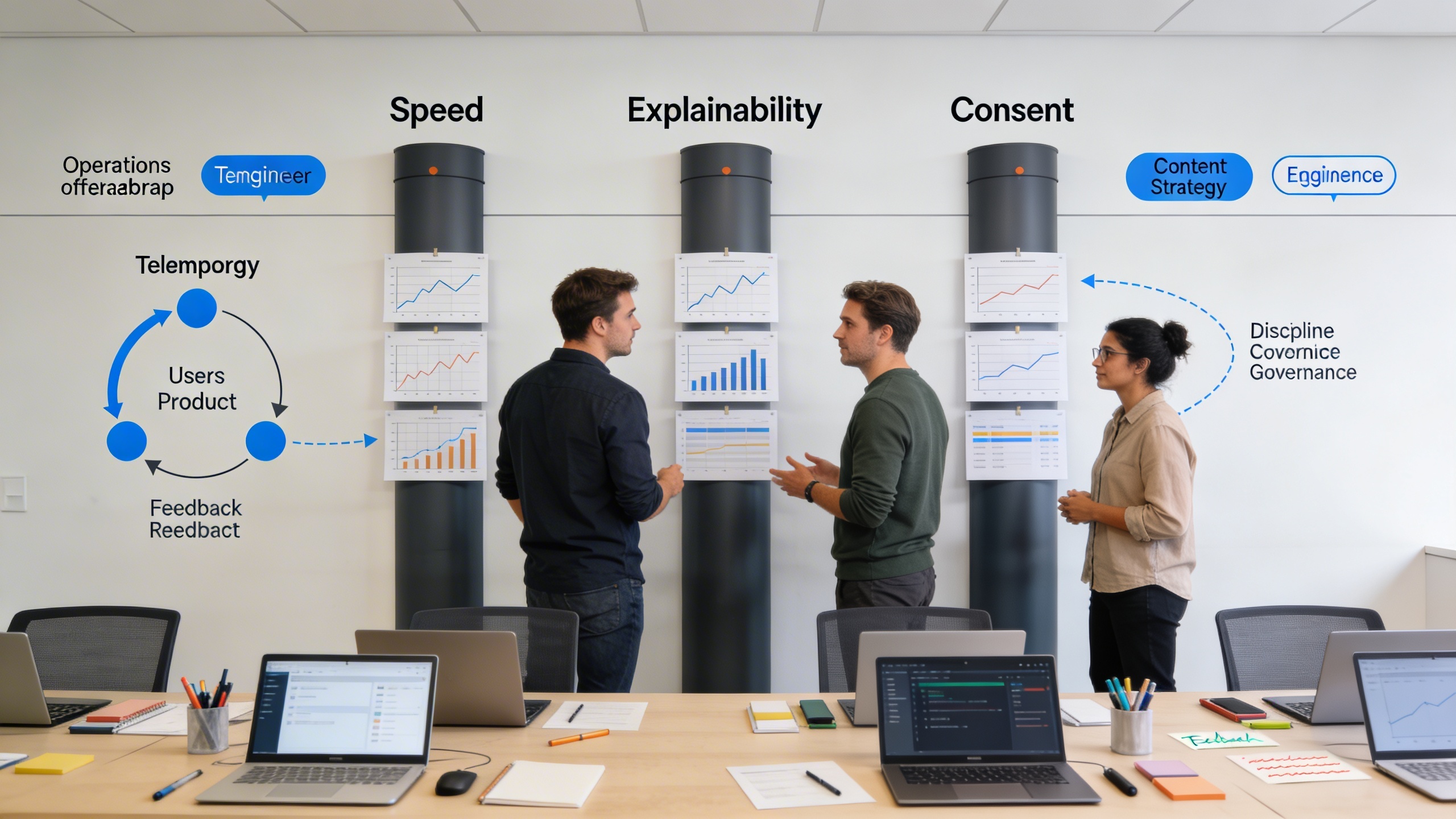
Time is money, and latency is theft. Gartner's 2026 survey found 45% of AI-powered sites blow past the 3‑second threshold for rendering personalized content, triggering an 18% cart abandonment penalty—worse on mobile, where delays over two seconds send users packing 53% faster. Edge deployment isn't a fad; it's oxygen. Push models closer to the user, cache smartly, and stop making them wait.